Health Effects
Vaping can increase your exposure to chemicals that could harm your health (e.g., cause lung damage). Vaping can also expose you to nicotine, which is addictive. There are concerns about the appeal of vaping products among youth and their potential to promote tobacco use.
What is in a vaping product?
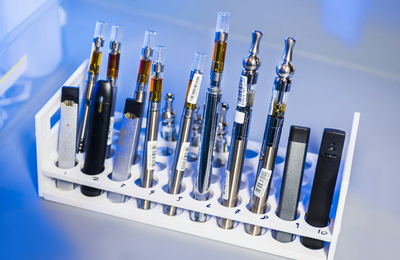 The e-liquids found in vaping products usually contain nicotine, propylene glycol, vegetable glycerin, and flavouring chemicals. When heated, these flavouring chemicals can react with other solvents in e-liquid to form harmful by-products. Some by-products include formaldehyde (a corpse preserver and carcinogen), acrolein (used to kill weeds), cadmium (a toxic metal), and benzene (found in car exhaust). Vape products also often contain heavy metals like nickel, tin, lead, and ultrafine particles that can be easily inhaled deep into the lungs.
Toxic Chemical By-products:
Formaldehyde & Benzene: Known human carcinogens formed via the thermal decomposition of PG/VG solvents.
Acrolein: A potent respiratory irritant traditionally used in industrial weed killers, which causes acute airway epithelial damage.
Heavy Metals: Microscopic leaching from the heating coils deposits toxic trace elements including nickel, tin, lead, and cadmium directly into the inhaled aerosol.
Ultrafine Particulates: Aerosolized particles are delivered at higher concentrations than conventional tobacco smoke, leading to systemic inflammation and arterial constriction
The Danger of Flavour Additives:
There exist over 7,000 unique e-liquid flavors. Flavouring components are often not included in vaping products’ ingredient lists. Many brands label ingredients as “natural or artificial flavours” but do not specify the ingredients or chemicals involved. Examples of flavourings are:
- Saccharides, which are used to make sweet flavours and degrade to produce furans and aldehydes.
- Aldehyes, which cause irritation to the respiratory tract.
While safe to eat, it is uncertain if these chemicals are safe to breathe in.
Note:
The number of substances a person can be exposed to by vaping is affected by the type of vaping device they use, battery power, power and temperature settings of the device, the type of vaping liquid and amount of nicotine, user behaviour patterns, and user’s experience with vaping. Many chemical by-products produced by vaping devices are linked to negative health effects. We are still learning more about how vaping affects health. The long-term health impacts of vaping are unknown. However, there is enough evidence to justify efforts to prevent the use of vaping products by youth and non-smokers.
Short Term health Effects:
Vaping can affect your body almost immediately. Even short-term use can cause uncomfortable or harmful symptoms, including:
-
Breathing & Throat Issues: Coughing, wheezing, shortness of breath, and a dry or sore throat and mouth.
-
Heart & Circulation Changes: An increased heart rate and raised blood pressure, which put extra strain on your heart and blood vessels.
-
Headaches & Dizziness: Nicotine can cause sudden lightheadedness, headaches, and trouble sleeping.
-
Stomach & Nausea ("Nic-Sick"): High levels of nicotine can quickly lead to upset stomach, nausea, or vomiting
Most of these short-term effects occur because your lungs are reacting to harmful chemicals and your heart is responding to nicotine.
Vulnerability of the Adolescent Brain:
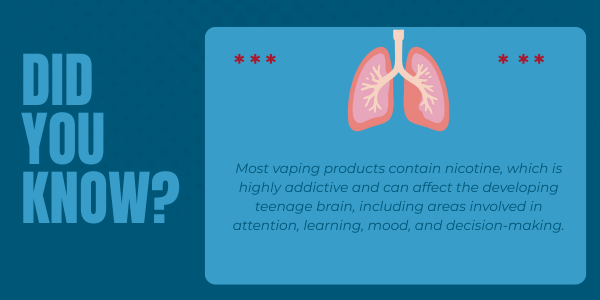
Children and youth are uniquely vulnerable to the neurobiology of nicotine addiction, developing dependence at significantly lower exposure thresholds than adults. Exposure to high-potency nicotine during adolescence (up to age 25) can disrupt critical neurodevelopmental pathways:
-
Cognitive and Behavioral Impairment: Nicotine alters synaptic pruning, leading to deficits in memory, working attention, and concentration.
-
Reduced Impulse Control: Neuroimaging suggests that early nicotine exposure degrades the development of the prefrontal cortex, exacerbating impulse control issues and mood disorders.
-
The Priming Effect: Early-stage nicotine dependence structurally modifies neural reward pathways, priming the adolescent brain for future addictions to other substances.
Vulnerable Populations: Pregnancy & Development:
Nicotine is a known teratogen that passes freely through the placental barrier. Vaping during pregnancy exposes the developing fetus to systemic nicotine, which can restrict fetal growth, cause cardiovascular vulnerabilities, and compromise lung and brain architecture in utero. Pregnant individuals are encouraged to speak openly with healthcare providers regarding evidence-based, nicotine-free behavioral strategies for a safe pregnancy.
Clinical Manifestations & Long-Term Respiratory Morbidity:
The long-term epidemiological outcomes of chronic vaping are actively being established, but current clinical research identifies several definitive pathological conditions:
1. Vaping-Associated Lung Injuries and Infections: Vaping impairs the lung's primary defense mechanisms, specifically reducing macrophage function and ciliary clearance. This directly leaves the lungs susceptible to severe respiratory infections, bacterial/viral pneumonia, and acute asthma exacerbations.
2. "Popcorn Lung" (Bronchiolitis Obliterans); This irreversible, obstructive lung disease is caused by chronic exposure to diacetyl, a chemical flavoring agent historically used to create buttery flavor profiles. Diacetyl causes severe inflammation, scarring, and permanent narrowing of the bronchioles (the smallest airways in the lungs).
3. Acute Nicotine Poisoning: The extremely high nicotine concentration in modern e-liquids increases the risk of systemic toxicity. While recreational users may experience acute symptoms ("nic-sick") such as dizziness, nausea, and tachycardia, accidental ingestion of e-liquids by young children can be fatal.
When buying a container of vaping liquid with nicotine, look for one that has a child-resistant closure and a 'poison' hazard symbol. The closure and symbol are required by law.
Vaping as a Way to Quit Smoking
 Evidence shows that the aerosol produced by a vaping device has toxic effects on blood vessels and the cells that line the mouth, nose, and lungs. Vaping is also associated with increased blood pressure and respiratory injury. Most users of vaping devices want to quit, but the nicotine in these devices is addictive. For these health reasons and other factors, those who smoke in Canada and are trying to quit should consider using medically approved nicotine replacement therapies (NRT) and/or counselling. Strong evidence shows that NRTs are effective tools for quitting or cutting back on nicotine usage.
If you are unable to quit smoking through other methods and considering using vaping devices to quit smoking, remember that vaping is not without its harms. While less harmful than smoking, vaping is not harmless. It is still a nicotine delivery device and you may be risking replacing one nicotine addiction with another. It is also important to understand that using vaping devices and regular cigarettes together (dual use) can have more adverse effects than smoking or vaping alone. Daily dual use may increase your risk of a heart attack by over five times more than if you did not combine the use of vaping devices and regular cigarettes. The best way to improve your health is to stop smoking and vaping altogether. Quit programs and medically approved cessation aids are the best tools for achieving your goals.
Nicotine Withdrawal
No matter whether nicotine is consumed through smoking or vaping, nicotine is the chemical responsible for addiction. Nicotine withdrawal is the set of physical and psychological symptoms felt as nicotine wears off. These symptoms are temporary and are often signs of your body healing. For more information on nicotine withdrawal, visit our Health Effects page.
Second-hand Vapour
Epidemiological tracking confirms that second-hand aerosol exposes bystanders to measurable quantities of nicotine, heavy metals, volatile organic compounds, and ultra-fine particulates. Because these particles are smaller and more concentrated than those found in traditional cigarette smoke, passive exposure can exacerbate underlying respiratory ailments like asthma and potentially alter cardiovascular tone in vulnerable populations.
Second-hand aerosol is made up of a high concentration of ultrafine particles, and the particle concentration is higher than in conventional tobacco cigarette smoke. Exposure to fine and ultrafine particles may exacerbate respiratory ailments like asthma, and constrict arteries which could trigger a heart attack.
The health effects of exposure to second-hand vapour are still unknown. There is some evidence that use of vaping devices increases the level of nicotine and other chemicals on indoor surfaces.
Device Malfunctions
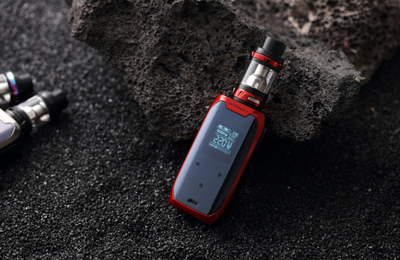 Vaping devices are powered by high-capacity lithium-ion batteries. While uncommon, electronic malfunctions, physical damage, or sub-standard manufacturing can lead to thermal runaway, resulting in battery explosions, catastrophic fires, and severe chemical/thermal blast injuries.
If you or a consumer encounter a malfunctioning device, an exploding battery, or unlabelled toxic e-liquids, it should immediately be reported to the federal database via Health Canada’s Online Consumer Product Safety Reporting Page.
Batteries and Vaping Devices
Lithium-ion batteries and vaping devices can pose a hazard if they are not properly used, stored, carried or charged.
Visit the Health Canada website for tips to prevent injuries from batteries and vaping devices.
Vaping and Pregnancy
While vaping products contain fewer harmful chemicals than cigarettes, they may still contain nicotine. Talk to your health care provider about your options for quitting nicotine during pregnancy.