Health Effects
What Are the Effects of Cannabis?
How cannabis affects you depends on many different factors such as how much and how you use, your mood, and environment, and others. People can have different experiences with cannabis. Some may feel relaxed, lively, talkative, giggly and even euphoric, while others feel tense, anxious, fearful and confused. The kind of experience you may have can vary from one drug-taking episode to another, usually, because of the amount taken, the method used and the frequency of regular cannabis use.
The Physical Effects of Cannabis May Include
Short-Term Effects:
Immediate physical and mental responses can trigger within seconds to minutes if inhaled, or up to 2 hours if digested:
-
Mind: Feeling relaxed, talkative, or euphoric. Conversely, it can also induce sudden tension, anxiety, fear, confusion, or acute paranoia.
-
Cognition: Impaired short-term memory slowed reaction times, and reduced ability to concentrate or maintain balance.
-
Body: Red eyes, dry mouth/throat, a rapid increase in heart rate, and lowered blood pressure (which can sometimes cause fainting).
Long-Term Respiratory Impacts:
Any kind of smoke is inherently harmful to the human respiratory system. Studies confirm that cannabis smoke contains many of the same toxic chemicals, irritants, and carcinogens found in tobacco smoke.
Continuous, heavy, or frequent inhalation over months or years can lead to:
-
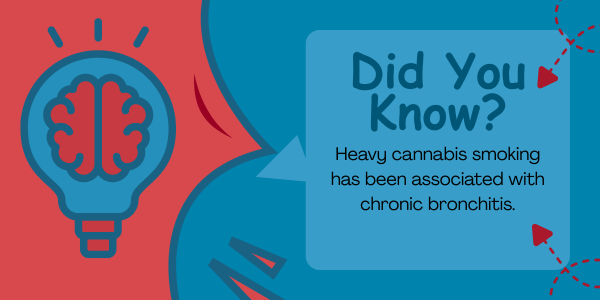
Chronic, reoccurring bronchitis
-
A persistent, daily cough
-
Excessive mucus and sputum production
-
Wheezing and severe shortness of breath during mild exercise
-
Heavy use of concentrated cannabis can trigger a condition called CHS. It causes sudden, severe waves of nausea and vomiting that often can only be temporarily relieved by hot showers.
Cannabis Use for Medical Purposes
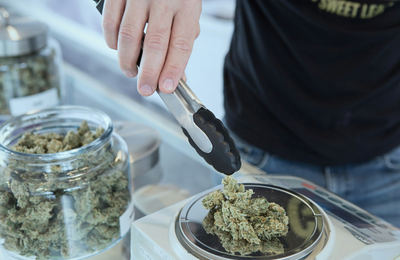 While cannabis is used by some people for their health problems, determining whether cannabis is appropriate to treat your symptoms is best done through a discussion with a health care practitioner. Lung Sask is concerned with the effects of smoking cannabis on the respiratory health of Canadians. We are committed to research that explores the long-term effects on lung health as well as the efficacy of cannabis for people with chronic lung disease.
The therapeutic uses of cannabis are associated with its ability to regulate and manage symptoms and side effects of chronic diseases such as nausea, decreases appetite, pain, depressed mood, and insomnia.
Making Safer Choices
Although it is legal, cannabis consumption is not free of risks. There are several health effects that can be attributed to cannabis use and can increase or decrease in severity depending on consumption habits. There is substantial evidence to support that those effects can be increasingly deleterious among younger individuals. Therefore, if you decide to use cannabis, it is important to familiarize yourself with harm reduction techniques.
- Inhalation methods are the most harmful.
- Consider alternative options such as edibles at regulated doses.
- Avoid deep inhalation.
- If you choose to smoke, avoid deep inhalation that increases toxin absorption. Additionally, 95% of THC from inhalation is absorbed within seconds, meaning you do not need to hold it in.
- Choose products with lower potency.
- Different products have different THC concentrations ranging from 3% to 90%. This is commonly referred to as “potency”. When choosing a product, choose a lower potency product with a balanced CBD blend to reduce the likelihood of intoxication-related effects.
- Avoid synthetic cannabis products.
- These products are more harmful than natural cannabis products and are linked to seizures, hallucinations, irregular heartbeat, and sometimes death.
- Limit frequency of consumption.
- Your likelihood of developing health problems from cannabis use increases when you consume more often.
- Avoid edible overconsumption.
- Edibles have a delayed effect onset that ranges from 15 minutes to 2 hours. Do not consume more than the recommended dosages to avoid severe effects such as nausea, vomiting, anxiety, paranoia, and psychosis.
- Do not drive under the influence.
- Cannabis impairs motor skills and lowers reaction times which hinders the skills required to operate vehicles.